Retro History: The Chunky Display Font for Handmade Brands
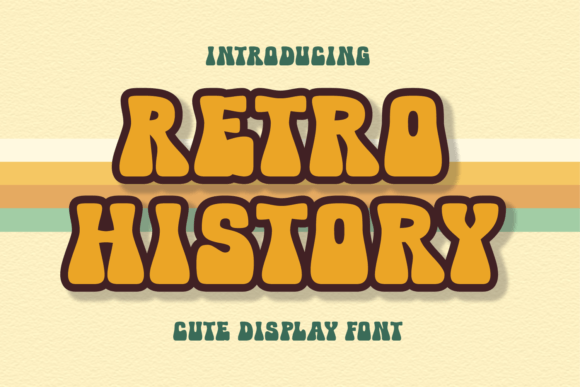
When you are building a handmade business, every pixel and stroke counts. Your fonts do more than just convey text; they set the mood, define your brand identity, and tell customers exactly what kind of experience to expect from your products. That is where Retro History steps in as a game-changer for creators who want their work to feel authentic, joyful, and instantly recognizable. This chunky retro-style display font brings a thick, charming personality that transforms simple designs into eye-catching masterpieces.
Why Retro Style Resonates with Modern Crafters
The vintage aesthetic has never gone out of style, but it keeps evolving. Today's crafters and Etsy sellers know that a "retro" look doesn't have to mean faded or worn out. It can be vibrant, bold, and full of life. Retro History captures this essence perfectly. Its thick strokes and rounded edges evoke a sense of nostalgia while remaining modern enough for current design trends like farmhouse chic, mid-century modern, and cottagecore.
For small shop owners, using a typeface like this on product packaging or signage creates an immediate emotional connection. Customers often associate chunky, playful lettering with quality, care, and a personal touch. Whether you are selling homemade candles, artisanal soaps, or custom stickers, Retro History adds a layer of perceived value that makes your items feel like premium gifts rather than mass-produced goods.
Practical Applications for Physical Products
One of the most exciting aspects of Retro History is its versatility across various physical merchandise. Because it is a display font, it shines brightest when used for short phrases, titles, and names rather than long paragraphs of body text. Here is how you can integrate this creative font into your tangible products:
- Product Labels and Stickers: Imagine wrapping your jars of honey or bottles of soap with labels featuring the bold curves of Retro History. The thickness of the letters ensures high readability even on smaller tags, making your brand name pop against the background color.
- Apparel and Accessories: For t-shirts, tote bags, and aprons, this font works beautifully for graphic tees or boutique branding. Its chunky nature holds up well during the heat press process, ensuring the ink adheres cleanly without losing detail.
- Home Decor and Signs: Creating wooden signs, canvas prints, or wall art? The joyful spirit of this typeface adds warmth to farmhouse decor. It is perfect for welcoming guests with a "Welcome Home" sign or adding a whimsical touch to kitchen organization boards.
- Seasonal Packaging: During holidays, your packaging needs to scream celebration. Use Retro History for Christmas gift tags, Easter egg wrappers, or Valentine's Day cards. The festive vibe of the font naturally aligns with holiday themes, saving you time on decoration.
Optimizing for Cutting Machines and Digital Downloads
If you create digital downloads or use machines like Cricut and Silhouette, the technical specs of your font matter just as much as its looks. Retro History is designed to cut cleanly, which is crucial for vinyl decals, iron-on transfers, and intricate paper crafts. When designing SVG files for clients or your own shop, ensure that the kerning (spacing between letters) remains consistent, especially if you are creating multi-line designs.
For printable planners, journal covers, or stationery sets, this font serves as an excellent header. It draws the eye immediately to the section title or the date. However, remember that display fonts are best paired with simpler typefaces for any instructional text. You might use Retro History for the main title "Morning Routine" and pair it with a clean sans serif font for the checklist items below. This contrast prevents visual clutter and keeps your designs professional.
Building Brand Consistency with Smart Font Pairing
A strong brand identity relies on consistency. When you choose a standout display font like Retro History, you need to balance it with complementary styles to maintain readability and elegance. Since Retro History is a serif-based display font with a heavy presence, pairing it requires a bit of strategy.
For a classic, elegant look, try pairing it with a thin, handwritten script font for accents or signatures. This combination mimics the style of old-fashioned letterheads and adds a human touch to your designs. Alternatively, if you want a more modern, crisp aesthetic, pair the chunky retro style with a geometric sans serif font. This mix allows the Retro History to act as the hero while the sans serif handles the supporting details.
Consider your target audience when selecting these pairings. If you sell wedding invitations, a flowing script next to the bold Retro History creates a romantic yet grounded feel. For children's party supplies, pairing it with a bubbly, informal handwritten font can amplify the fun factor. Always test your combinations in black and white first to ensure the hierarchy of information is clear before adding colors.
Readability Tips for Small Formats
While Retro History is thick and bold, there are limits to how small you can scale it before legibility suffers. On very small stickers or micro-tags, avoid using all-caps for entire sentences. Instead, reserve the uppercase for key words and consider using lowercase variants if available in the font family to save space. When creating mockups for your online store, always preview your designs at actual size. What looks huge on a screen might get lost when printed on a 2-inch label. Adjusting the tracking slightly can help characters breathe and remain distinct.
Licensing and Commercial Freedom
As a creator selling physical goods, templates, or digital assets, understanding your license is non-negotiable. Before launching your next product line, verify that your purchase of Retro History includes a commercial license. Most premium fonts allow you to use them on unlimited physical products, such as shirts, mugs, and posters, without paying extra royalties. Some licenses also cover the creation of digital printables, PDF templates, and SVG files for client work.
However, be cautious about redistributing the font file itself. Typically, you cannot resell the font as a standalone digital download unless explicitly permitted. Using it correctly empowers you to build a robust brand identity without legal worries. Whether you are designing a logo for a local bakery or creating a bundle of social media graphics for a lifestyle blog, having a versatile commercial font like this in your toolkit gives you the freedom to experiment and grow.
In the world of handmade goods, the difference between a good product and a great one often lies in the details. Retro History offers that extra spark of charm and character that customers love. By integrating this display font into your labels, signs, and digital content, you are not just printing text; you are crafting an experience that resonates with your audience and stands out in a crowded marketplace.